

The Great Wait
Brief
Expedition Summary
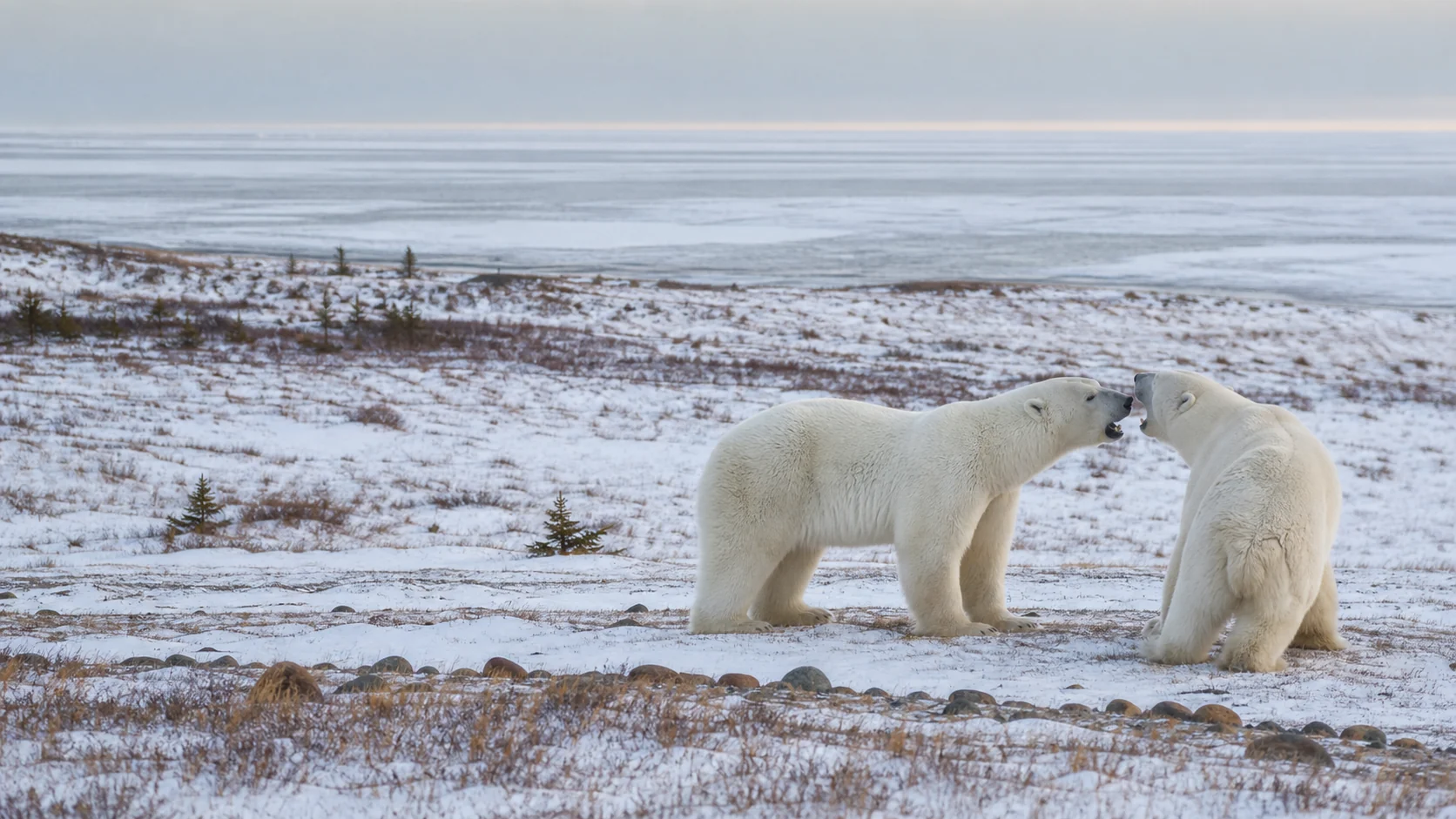
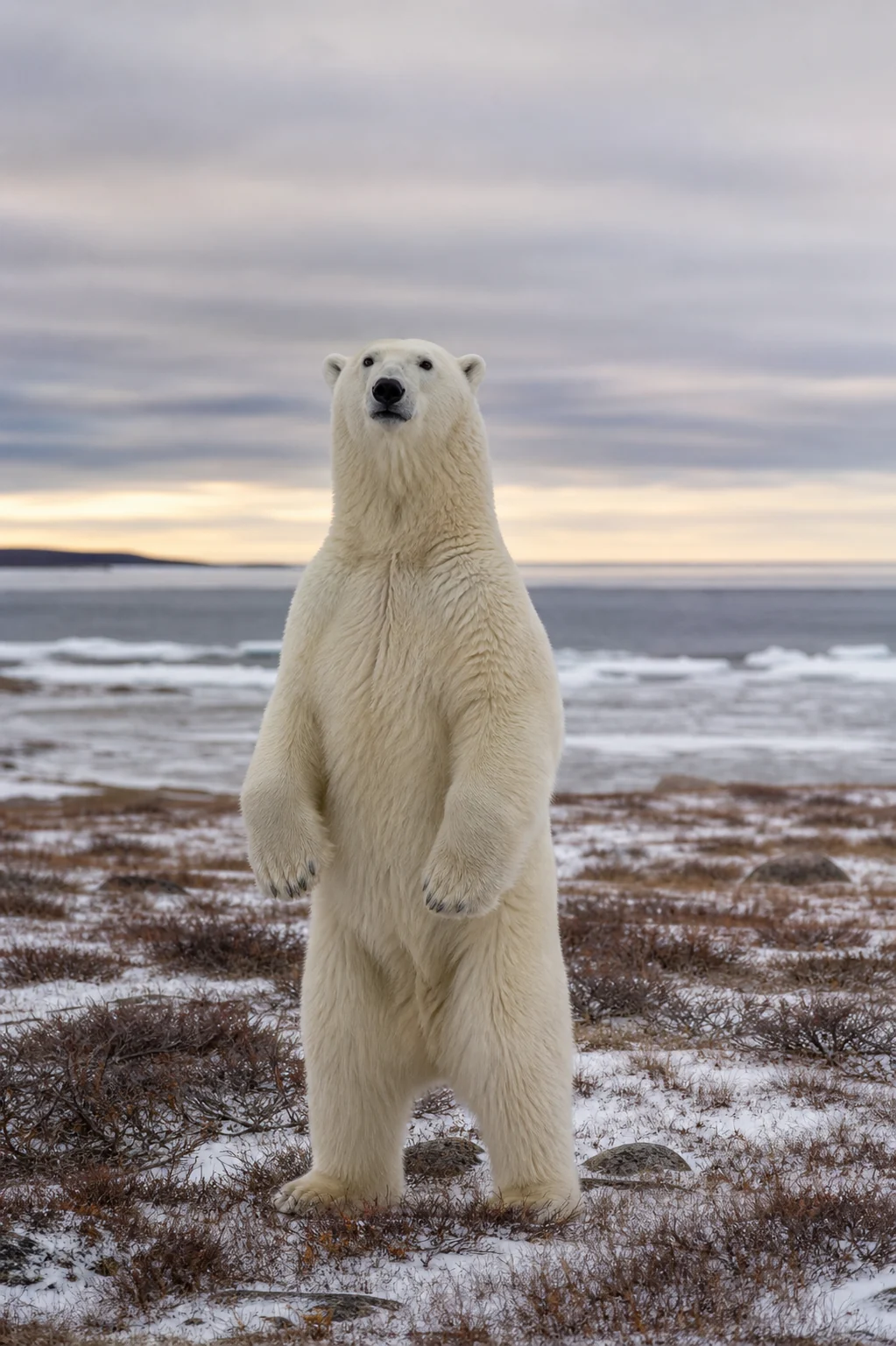
Churchill is where polar bear photography becomes possible without losing the scale of the wild. Each autumn, bears gather along the western shore of Hudson Bay, conserving energy until the ice forms and seal hunting can begin again. The expedition is built around patience: long hours on the tundra, repeated encounters with individual bears, and the chance to photograph sparring males, curious sub-adults, and quiet moments against the first winter light.
Mission Objectives
- Photograph freeze-up behavior Document bears waiting along the coast as Hudson Bay begins to lock in.
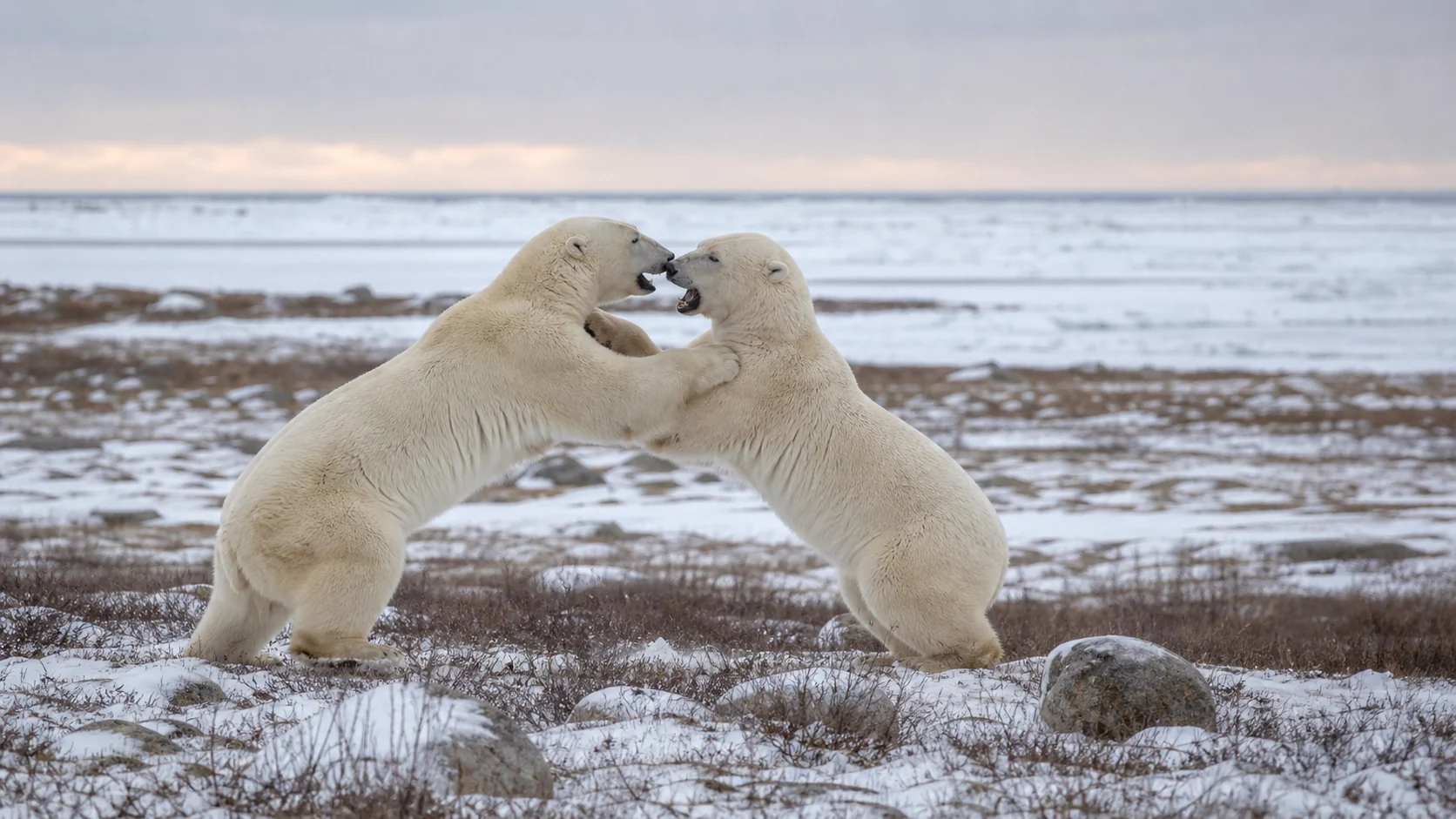
- Capture adult interactions Focus on sparring, scent-checking, resting, and movement between tundra ridges.
- Work with accessible logistics Use tundra vehicle access to photograph safely while maintaining distance from wildlife.
Journey Timeline
Challenges & Discoveries
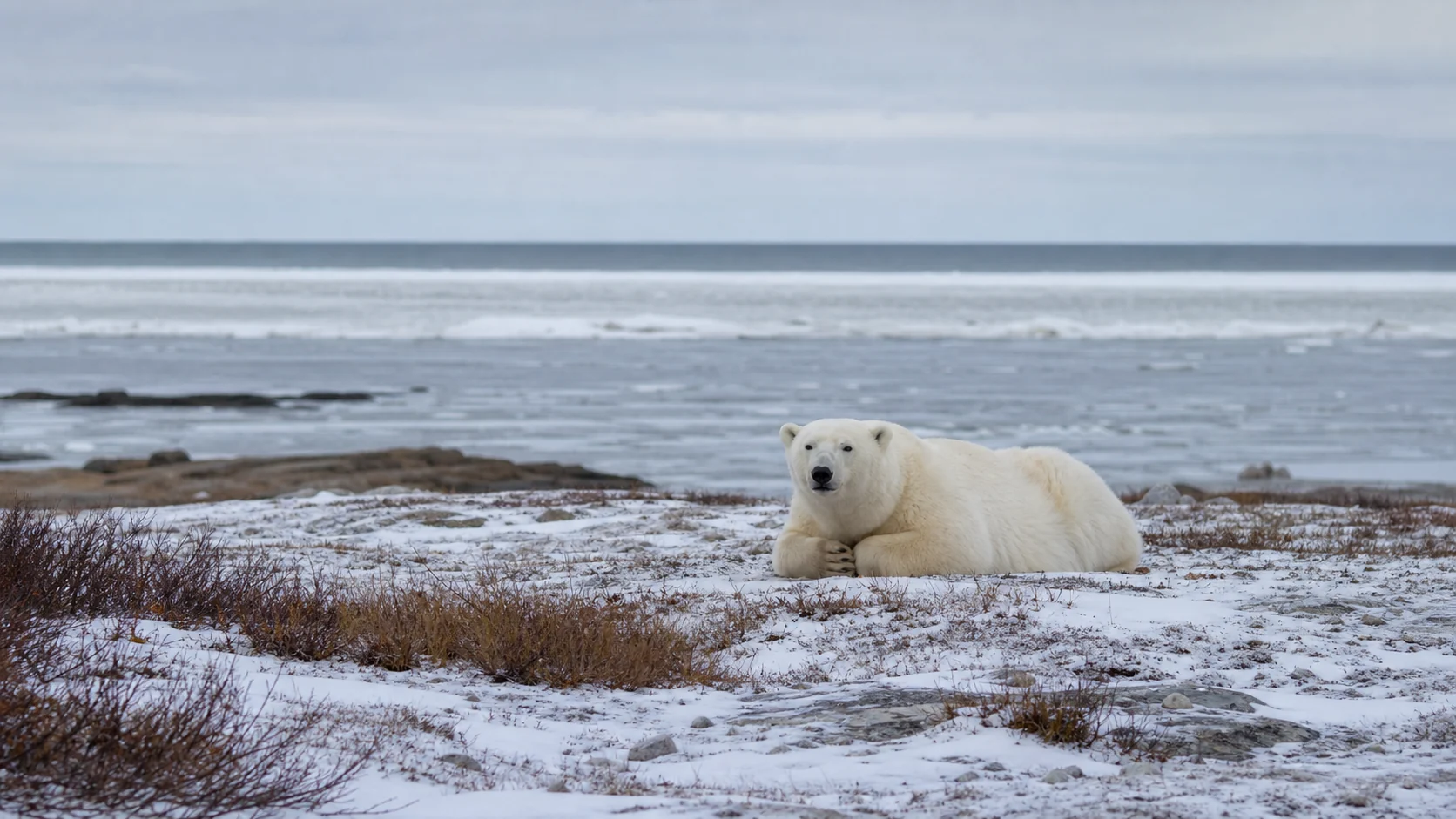
Churchill is accessible, but it is not easy. Cold wind off Hudson Bay can flatten visibility, and the best behavior often happens after hours of nothing. The challenge is to stay ready without forcing the scene. The discovery is how much story exists in the waiting itself: a bear sleeping into the wind, two males rising slowly into a sparring match, or the first grey sheet of ice forming offshore.
Photographer's Note
The Great Wait is not about chasing bears. It is about letting the place slow you down enough to see the behavior that everyone else drives past. Churchill gives access, but patience still makes the photograph.
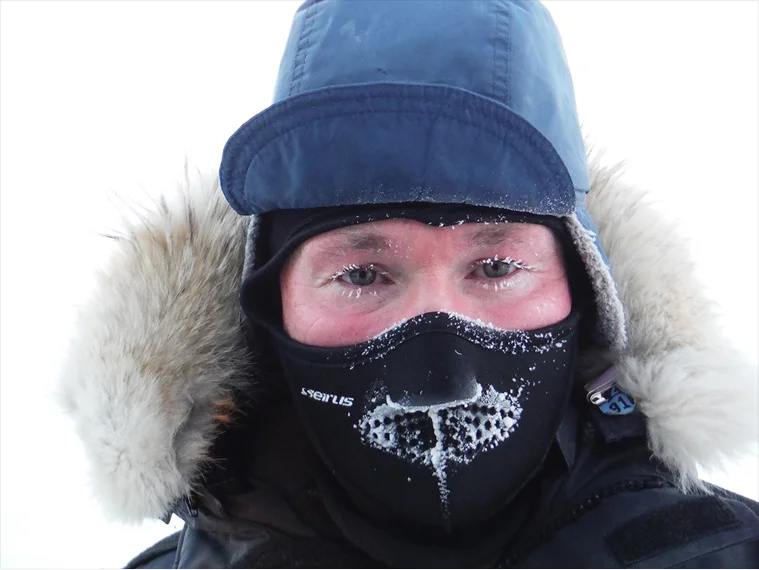
Gear Used
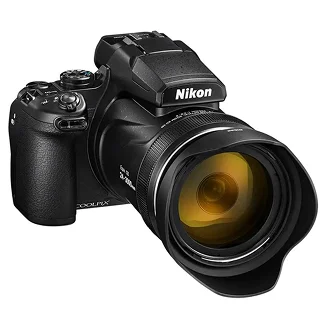
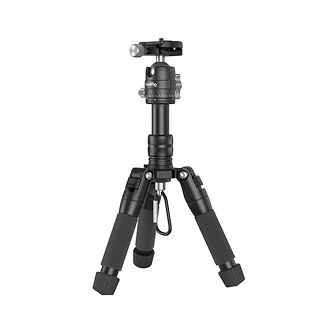
This expedition rewards reach, stability, and warm handling. Long lenses do most of the work, but a second body is essential for environmental frames when a bear crosses open tundra under a big Hudson Bay sky.
Nikon Z9 + 500mm f/5.6 PF
Gitzo Systematic tripod + Wimberley head
Camera Settings Used
Capture the Arctic exactly as it appeared in the field. These are representative settings for fast-moving polar bear behavior in cold, reflective conditions.
Keep Reading
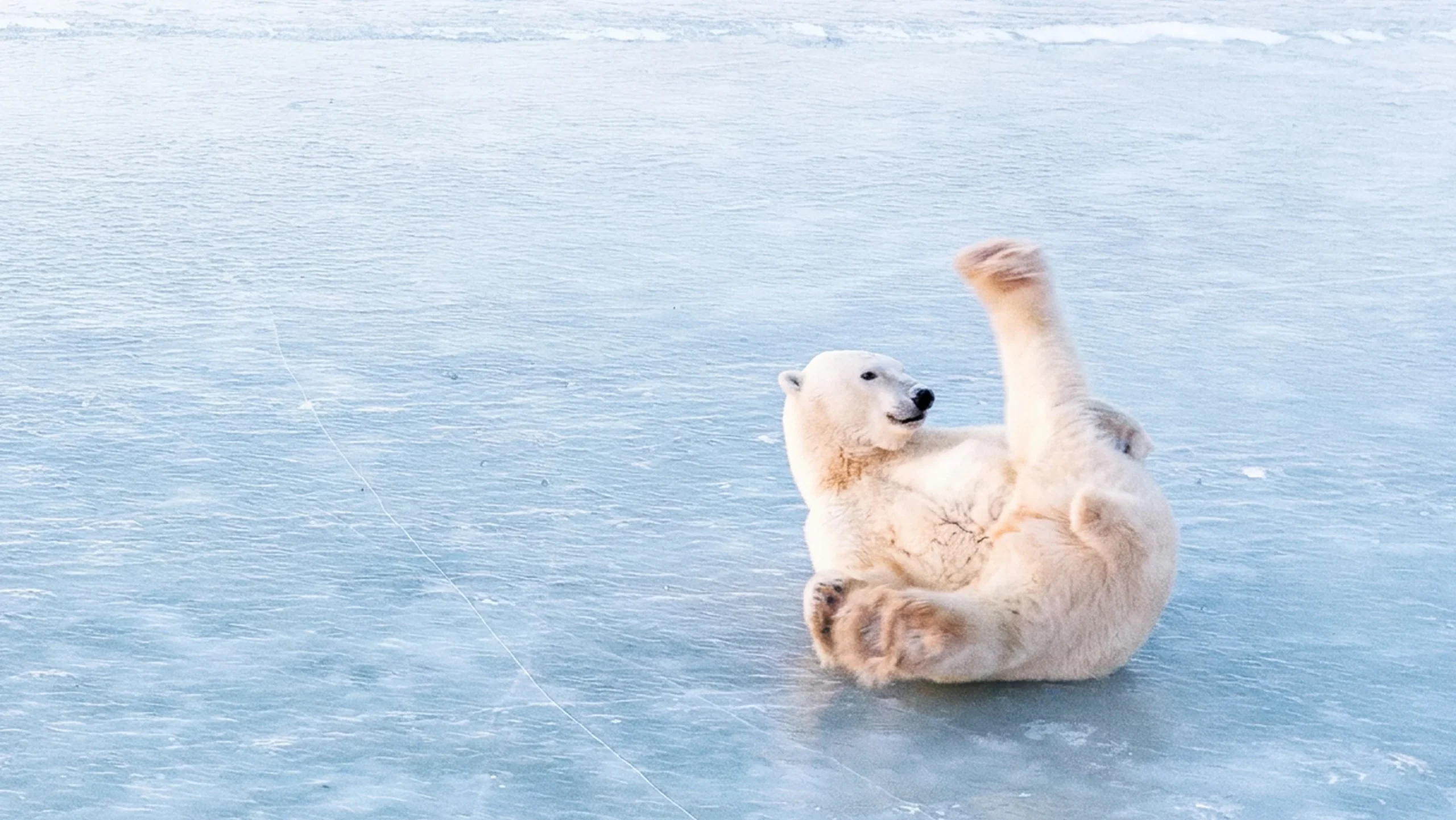
Edge Of The Ice
Navigate the Arctic archipelago aboard expedition vessels, following the pack ice edge where bears hunt ringed seals. The midnight sun
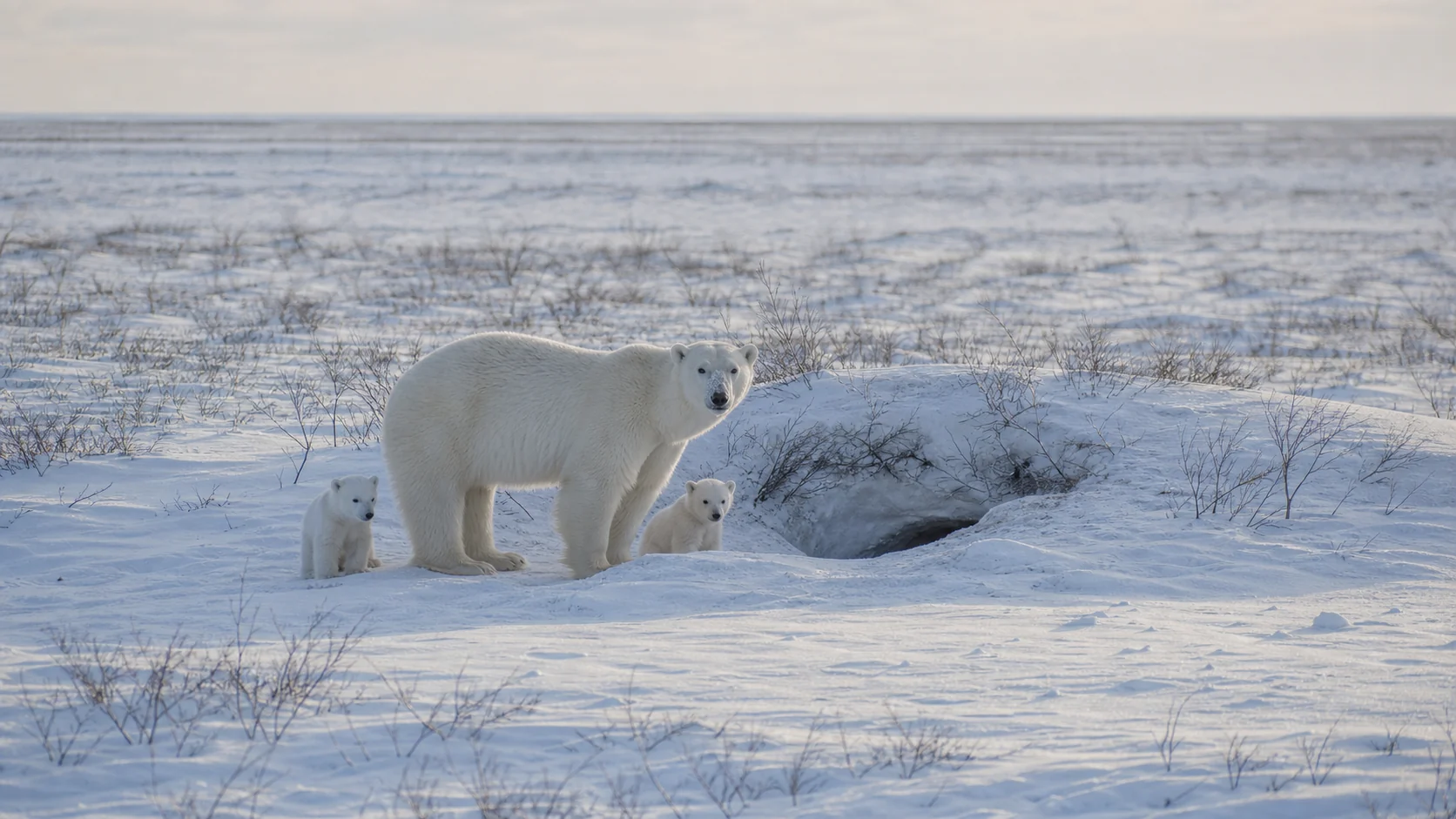
Den Emergence
The rarest polar bear field experience: maternity-den emergence in Wapusk, where access is limited, weather is severe, and every frame
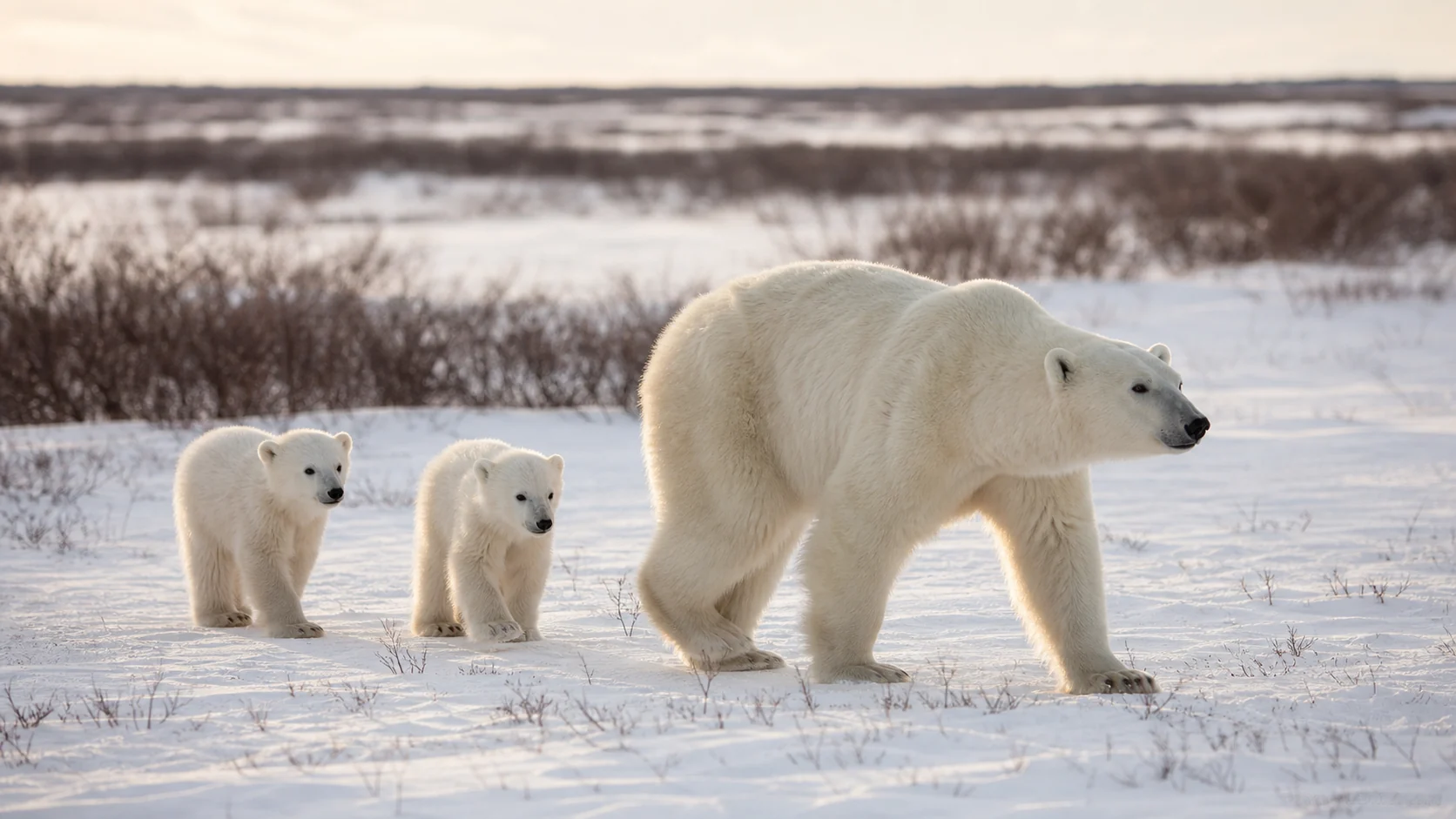
Mother & Cubs
A focused late-winter expedition following polar bear family groups as mothers guide cubs from denning country toward the Hudson Bay